Self-Discovery, Organised by Framework
Hubs that group Selvora's essays and quizzes by topic. Each one opens with an honest take on what the framework actually explains — and what it doesn't.
How to Use These Guides
This page is the road map to the ideas behind Selvora, not another quiz list. Before you pick a test, take a quick look at what each topic can describe — and what it shouldn't pretend to.
Reading a hub first makes the result a lot easier to hold lightly. MBTI, Enneagram, attachment, astrology — these aren't labels that explain a whole person, they're a temporary language for noticing patterns. So instead of rushing you to a quiz button, each hub opens with background, common misreadings, and practical ways to use a result in normal life.
Frameworks are maps, not verdicts
MBTI, Enneagram, love languages, tarot, astrology — they can put words on patterns you had already half-noticed. They should never make the call on your identity, relationships, career, or health.
Hub first, then the quiz
Each hub walks through what a framework is actually trying to describe, where it usually goes off the rails, and which related essays or quizzes help you reflect without latching onto a label.
Better questions beat "perfect" answers
The healthiest way to use Selvora isn't to prove your result is exactly right. It's to leave with one practical question you can journal about, talk over with a friend, or watch for in your week.
What belongs in a guide hub
A guide hub isn't a hallway designed to push visitors into a quiz. The job of a hub is to lay out the background and the limits of the topic first, then connect you to the essays and quizzes around it. Pages that just repeat labels, collect auto-generated results, or filter content without enough context belong as navigation helpers, not as indexable articles. That's why Selvora keeps quiz question steps, personalized result pages, and thin filter screens out of the sitemap while keeping context-rich hubs like this one public.
 🎨 Hub
🎨 HubPersonality Guide — Frameworks, Myths, and Self-Reflection
A plain-language hub that introduces popular personality frameworks, what they can and cannot tell you, and how to use quiz results responsibly.
Explore the hub → 🧬 Hub
🧬 HubMBTI Guide — 16 Types, 4 Axes, and What They Really Mean
A practical hub for the Myers-Briggs-inspired type system: what the four letters represent, what cognitive functions add, and the common misreadings to avoid.
Explore the hub → 🔢 Hub
🔢 HubEnneagram Guide — 9 Types, Wings, and Core Motivation
A grounded, non-mystical introduction to the Enneagram: the 9 core types, the wing concept, and how the framework centers motivation rather than behavior.
Explore the hub → ⭐ Hub
⭐ HubAstrology Guide — Signs, Symbols, and Enjoying It Honestly
A gentle, non-claimant introduction to astrology: what the sun sign tradition actually says, what it does not, and how to enjoy the imagery without outsourcing your decisions.
Explore the hub → 💞 Hub
💞 HubRelationship Dynamics — Love Languages, Attachment, and Conversation
A practical hub for relationship self-reflection: love languages, attachment styles, the trap of framework-as-argument, and conversation starters that actually help.
Explore the hub → 🧠 Hub
🧠 HubPsychology Guide — Traits, Emotion, and Reading Yourself Honestly
A plain-language hub for the psychology frameworks behind our quizzes: the Big Five, emotional intelligence, attachment, and stress — what each describes well, and where the popular versions overreach.
Explore the hub → 🧩 Hub
🧩 HubIQ & Logic Guide — What the Tests Measure, and What They Miss
An honest hub on intelligence tests: what cognitive quizzes actually measure, why an online score is not a clinical IQ, how the common puzzle types work, and what brain training can and cannot do.
Explore the hub →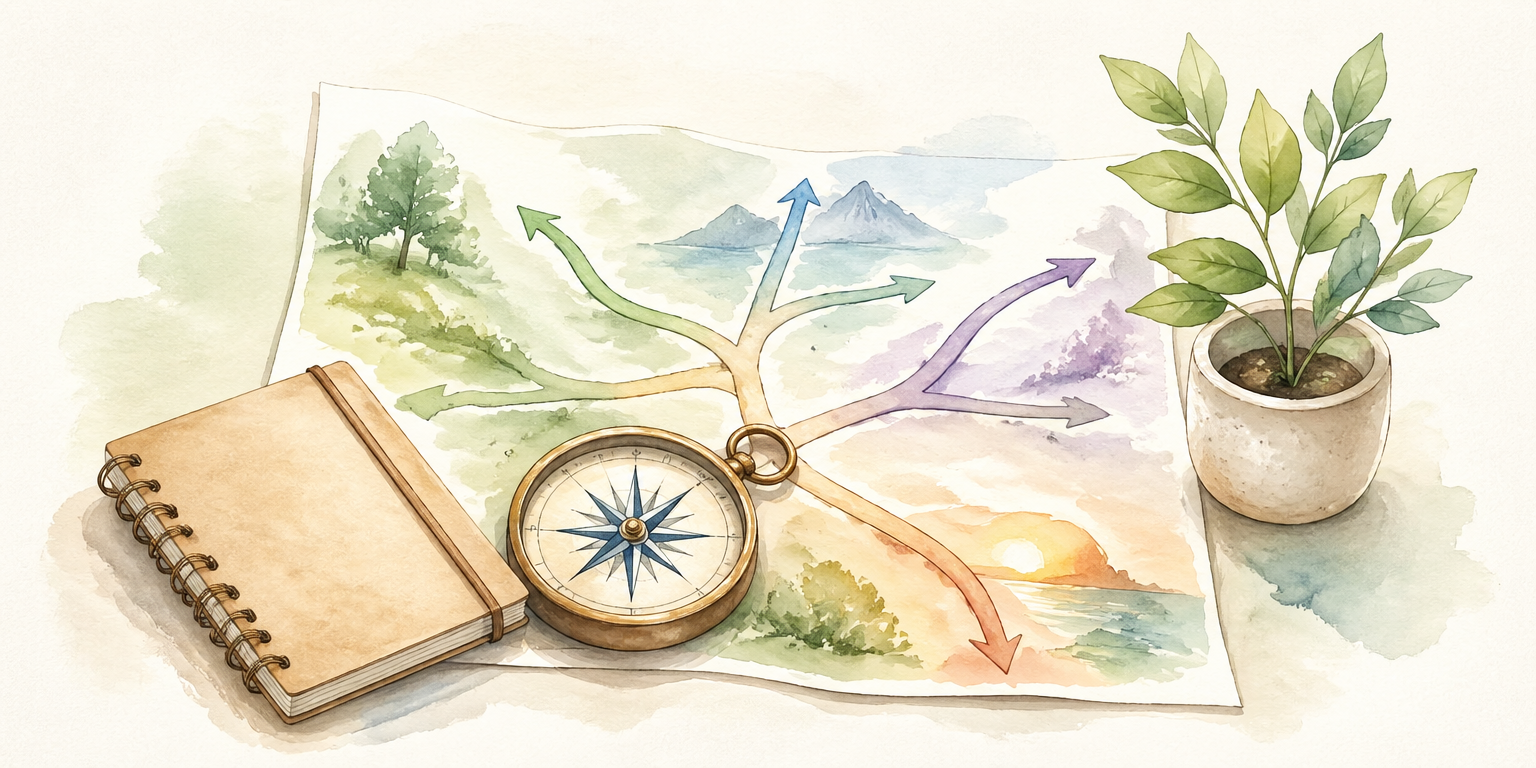 🎯 Hub
🎯 HubAptitude & Career Guide — Texture of Work Over Job Titles
A grounded hub on career-fit content: how aptitude frameworks really work, the honest story behind learning styles, and how to design a work life around the texture of your days instead of a single title.
Explore the hub →